

Construction Line - Façade Treatment
Construction Line - Façade Treatment
We have divided this family into four sections, according to the surface area to be treated.
-
-
- 01 - CONSOLIDATION
-
On eroded stone surfaces, concrete with sandy loosening and morbid joints, mostly limestone, a basic constituent of ancient monumental architecture, sculptures, capitals, etc. (stone disease), a consolidation process is desirable to restore the bearing capacity (strength) of the substrates by recomposing their mineral structure, even in their deepest layers. (stone disease), it is advisable to carry out a consolidation process that recovers the bearing capacity (resistance) of the substrates, recomposing their mineral structure, even in their deepest layers, reducing the diffusion of water vapour to the values of a healthy stone, so that the breathability can be compared to that of healthy, non-eroded areas while preserving the appearance of the same.
This requires the use of products that react with the internal structure of the material.
-
-
- 02 - WATERPROOFING
-
In the protection phase of a facade, waterproofing is the first step. It is always recommended after cleaning the surface to be waterproofed.
The water repellent treatment must be carried out on a CLEAN and DRY surface.
INVISIBLE and BREATHABLE products should always be applied, as natural materials are constantly reacting, releasing micrograms of gas, and if non-breathable products are applied, they contribute to the degradation of the surface over time.
-
-
- 03 - OIL LEAKAGE
-
The “easy-clean” Oleofugacion anti-adherent treatment is indicated to avoid the fixation of dirt, the degradation due to the effects of UV rays and the erosion due to the effects of winds loaded with sand or saltpetre.
It is recommended for all types of buildings, especially recommended for those located near the sea or in snowy areas, above the sea or in snow-covered areas.
especially when the façade is made of single-layer limestone, sandstone, slate or marble, all of which are very susceptible to these attacks.
The treatment offers two aesthetic possibilities, the invisible look and the WET LOOK.
In marble or limestone façades that are very “dried out” by the sun, it is appropriate to restore the original colour or “TONING” them.
-
-
- 04 - DAMP-PROOF PAINTS
-
Our R&D department has specially developed the products, which in a single application offer a coloured, oil-repellent protection for plaster and concrete surfaces.
These products are breathable, prevent the appearance of the “wet wall” effect in the interior, are reactive with silicates, penetrating the interior of the wall and reacting with them, thus increasing the resistance to abrasion while being easy to clean.
For the treatment of façades, we highlight products such as ...
CN-ECO, ecological water-repellent and consolidating agent.
X-PRO-375, waterproofing and fungicide protector, protects and preserves cement or stone walls....
X-PRO-ZEO, sound-absorbing paint treatment that eliminates condensation humidity.
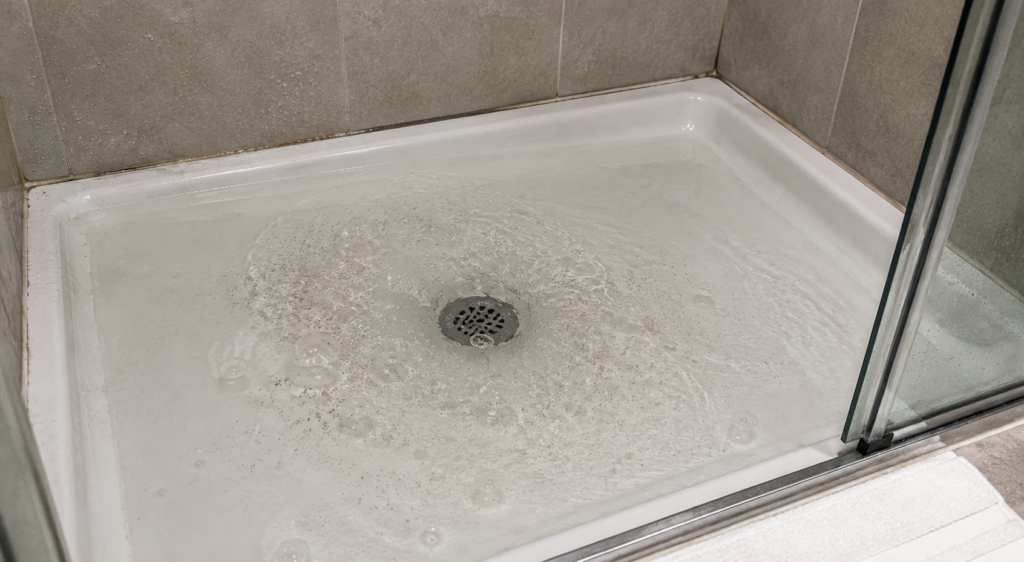
F-500 Desatascador concentrado de base ácida: La solución profesional para los atascos más difíciles
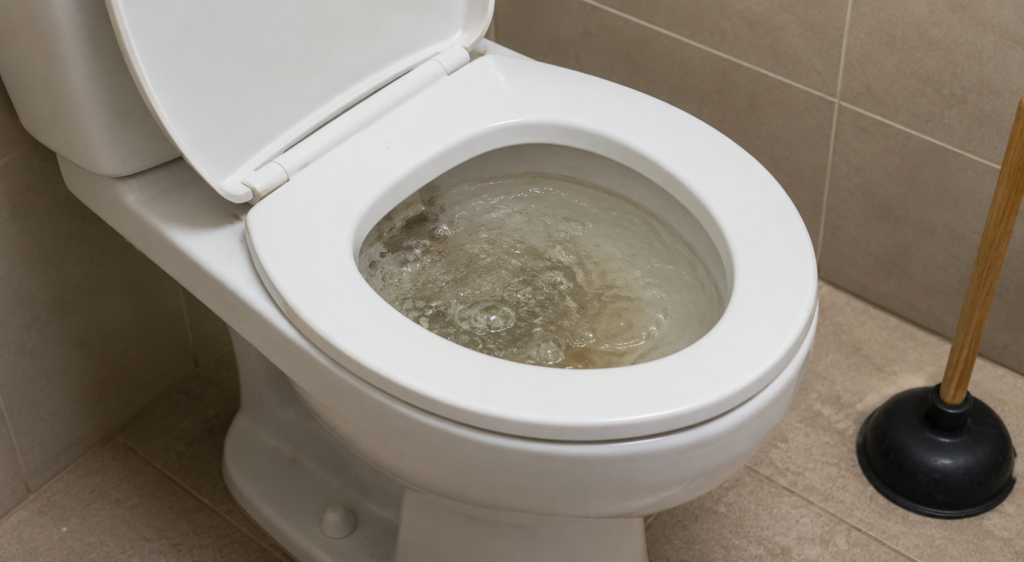
F-100 Desatascador concentrado de base alcalina: Por qué es una de las soluciones más eficaces para desatascar tuberías

 Spanish
  English
  German
  French
  Italian
  Portuguese

